Power is selected based on the property, not the vehicle
The most common question is whether to choose 11 or 22 kW. The answer almost always starts with the main circuit breaker. An 11 kW wallbox draws around 16 A per phase, while a 22 kW unit requires around 32 A. A house with a 3×25 A main breaker, an air-to-air heat pump and an induction hob has no spare capacity for 22 kW, even if the vehicle supports it.
The second part of the answer lies with the vehicle. Some cars have an on-board charger limited to 11 kW, in some cases even to 7,4 kW. In such cases, the 22 kW paid capacity will never be utilised.
The third factor is how long the vehicle remains parked. When left overnight, it will charge even at 11 kW. Faster charging only addresses situations where the battery must be replenished within an hour or two between trips.
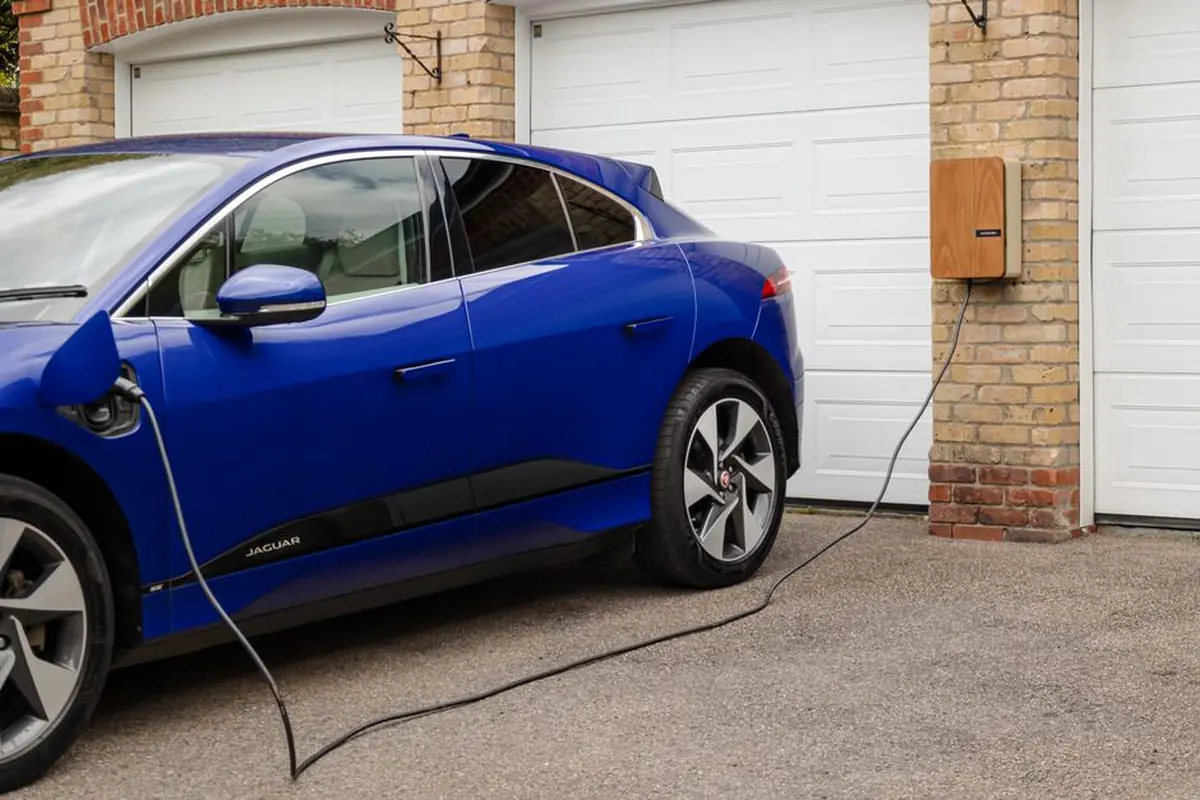
Dynamic power management instead of a higher-rated circuit breaker
If the house has no spare capacity, there are two options. Either upgrade the main fuse, which requires negotiations with the distributor and permanently higher payments based on its size. Or implement dynamic management: the station measures the house's total consumption and automatically reduces charging when an oven is switched on or a pump activates. The vehicle charges slightly slower, but nothing trips out and the payment for the fuse remains unchanged.
For most homes, the second option is cheaper. However, it requires a station capable of this and metering on the main supply, so it must be arranged in advance, not added later.
| 11 kW | 22 kW | Single-phase 3.7 kW | |
|---|---|---|---|
| Consumption | approx. 16 A per phase | approx. 32 A per phase | approx. 16 A on one phase |
| Overnight charging | a fully charged battery of a standard car | The same, just faster. | tens of kilometres of range |
| When it makes sense | the vast majority of households | two trips per day, quick top-up | low traffic volumes, weak connection |
| What to watch out for | The vehicle's onboard charger may be weaker. | circuit breaker and distribution network operator consent | insufficient for daily commuting over 50 km |
What we do
- Analysis of consumption from the settlement statement and assessment of the main fuse.
- Site inspection: where the car parks, where the socket is located, and the cable route.
- Application for connection with ČEZ Distribuce, EG.D or PREdistribuce depending on location.
- Installation of the charging station, circuit protection, RCD in accordance with standards and power setting.
- Any dynamic control and connection to photovoltaics, if you have them.
- Inspection report, training in the application and handover of documentation.
The most common reason for delays is not the installation but the distributor. Therefore, we submit the paperwork at the very beginning and schedule the installation only for a confirmed date.